Contractor Lead Generation: What Makes a Landing Page Convert
Why some landing pages pull in work and others don't
A contractor's website is often the first impression a potential client gets. But a homepage that lists services and a phone number is not enough to turn visitors into paying jobs. The landing page, the specific page someone lands on after clicking an ad, a search result, or a social media post, does the heavy lifting. When built right, it answers questions, builds trust, and makes it easy for a homeowner or business owner to take the next step. When it misses the mark, visitors leave without a call or an estimate request, and the money spent on getting them there is wasted.
Contractor lead generation depends on understanding what a visitor wants at that moment. Someone searching for "roof repair near me" or "bathroom remodel" has a specific need. They are not browsing for ideas. They want a solution, a price range, and a sense of whether you can do the job well. The landing page needs to match that search intent closely. If the ad promises a free estimate for kitchen remodeling but the landing page talks about flooring options, the visitor feels misled and clicks away.
What a high-converting contractor landing page includes
Several elements work together to convince a visitor to reach out. Think of the page as a conversation. The headline should state the main benefit clearly. "Get Your Roof Inspected This Week, Free Estimate" tells the visitor exactly what is on offer and what to do next. Subheadings can break down the service into understandable parts, such as the types of roofs you work on or the signs that a repair is needed.
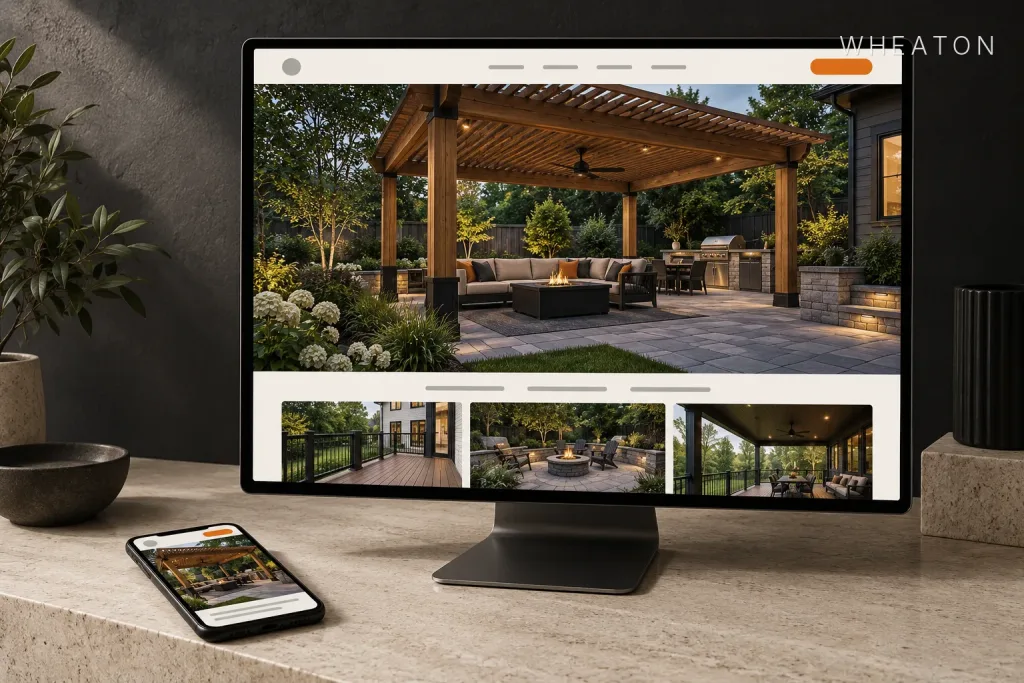
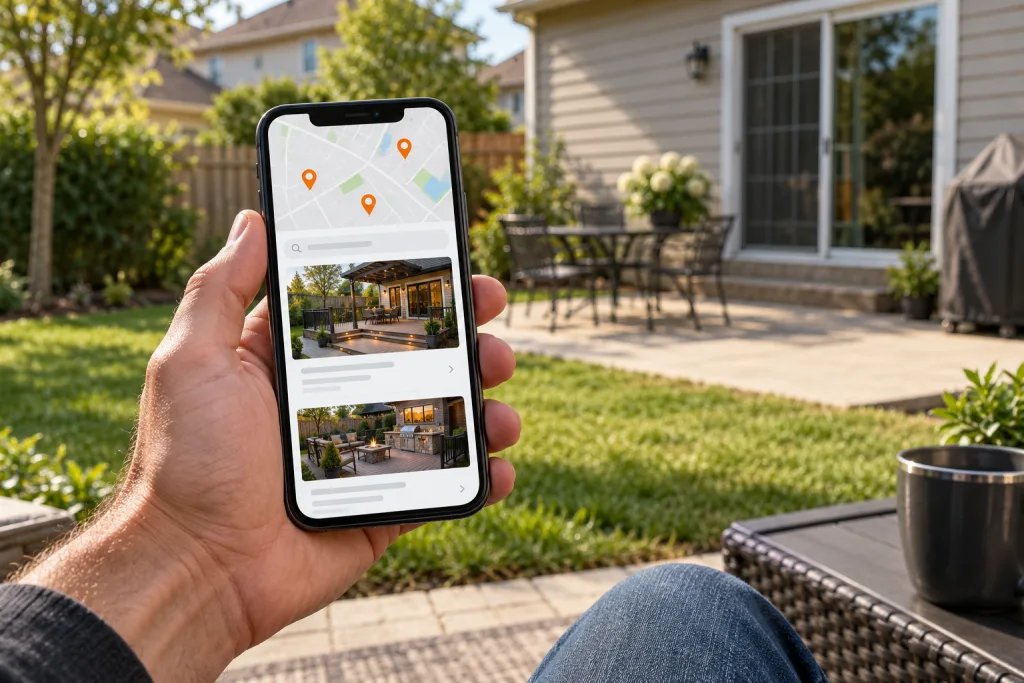
Visual proof matters. Photos of completed projects, especially before-and-after shots, show that you have done similar work. If you work in a specific service area, mention it plainly. A map or a list of towns you serve reassures the visitor that you are local and can get there quickly. Testimonials from past clients, with their names and towns, add social proof. Avoid generic praise; a line like "They replaced our flat roof in two days and cleaned up every bit of debris" is more convincing than "Great work."
Lemur Marketing is also on LinkedIn.
Clear next steps and contact options
The goal of the page is to turn a visitor into a lead. That means the call-to-action button should be impossible to miss. Use a contrasting color and large text. "Get Your Free Estimate" or "Call Now for a Quote" works well. Place it above the fold and again after the main content. Some visitors prefer to fill out a form rather than call. Keep the form short: name, phone, email, and a brief description of the job. Asking for too much information can scare people off.
Call tracking is a smart addition. By using a different phone number on the landing page than on the rest of the site, you can measure exactly how many calls come from that page. That data helps you understand which ads or keywords are driving real leads, not just clicks.
Matching the page to the customer journey
Not every visitor is ready to hire immediately. Some are in the research phase, comparing options and learning about materials or timelines. A landing page that only offers a phone call might lose those visitors. Instead, include a short guide or checklist they can download. For example, a page about deck building could offer a "Deck Material Comparison Sheet." In exchange for their email, you give them something useful. Later, you can follow up with an email or a call when they are closer to making a decision.
The page should also answer common questions upfront. What does the estimate include? How long will the project take? Do you handle permits? When a visitor does not have to search for answers, they trust you more and are more likely to reach out. This is where lead qualification starts. The page can gently filter out people who are not a good fit by stating your minimum project size or service area. That saves you time chasing leads that will never convert.
Design and performance basics
Speed matters. A landing page that takes more than three seconds to load loses a large percentage of visitors. Compress images, use a reliable hosting service, and keep the page design simple. Avoid auto-playing videos or large pop-ups that block the content. On mobile devices, the page should look clean and the buttons should be easy to tap with a thumb.
The layout should guide the eye naturally. Start with the headline and a strong image, then move into the benefits, then the proof (testimonials, photos), and finally the call-to-action. White space is your friend. Too much text crammed together feels overwhelming. Break up paragraphs with subheadings and bullet points where helpful.
What to avoid
Do not use generic stock photos. They look fake and do not build trust. Do not hide your contact information. A visitor should not have to scroll to the bottom of the page to find your phone number. Do not use jargon or technical terms that confuse a homeowner. Write in plain language. And do not try to upsell or confuse the visitor with multiple offers. One clear goal per landing page works best.
How the page fits into a larger strategy
A single landing page is not a magic bullet. It works best when it is part of a coordinated effort. That includes local SEO so your site appears in searches for your service area, Google Ads that send relevant traffic to the page, and follow-up systems to handle the leads that come in. Marketing that brings contractors qualified leads relies on this full picture: the right audience seeing the right message on the right page, then being handled well once they reach out.
For contractors who run multiple types of jobs, creating separate landing pages for each service can improve conversion rates. A page for emergency plumbing repairs looks different from one for bathroom renovations. The search intent is different, and the visitor's mindset is different. Tailoring the page to the specific service and the specific service area makes the visitor feel understood.
Measuring what matters
Conversion rate is the obvious metric, but it is not the only one. Look at bounce rate, time on page, and the number of form submissions versus phone calls. If people leave quickly, the page may not match the ad or the search term. If they stay but do not contact you, the offer or the trust signals may be weak. A/B testing small changes, headline, button color, image choice, can reveal what works best for your audience.
Ultimately, a contractor landing page that converts well is built around the visitor's needs, not the contractor's services. It answers questions before they are asked, shows proof of quality work, and makes the next step obvious and easy. Marketing that brings contractors qualified leads does not just drive traffic. It drives the right traffic and then guides that traffic toward a decision.
Getting started
If you are a contractor looking to improve your lead generation, start by auditing your current landing pages. Do they match the ads that send people there? Is the call-to-action clear? Do you have recent photos of real projects? Small improvements can lift conversion rates significantly over time. And because every job starts with a lead, investing in a good landing page pays for itself quickly.
For help with website design, local SEO, or digital advertising that targets the right homeowners and businesses, Lemur Marketing, based at 1574 Henry Ave, Des Plaines, IL 60016, USA, can be reached at +1 630-551-8493.